
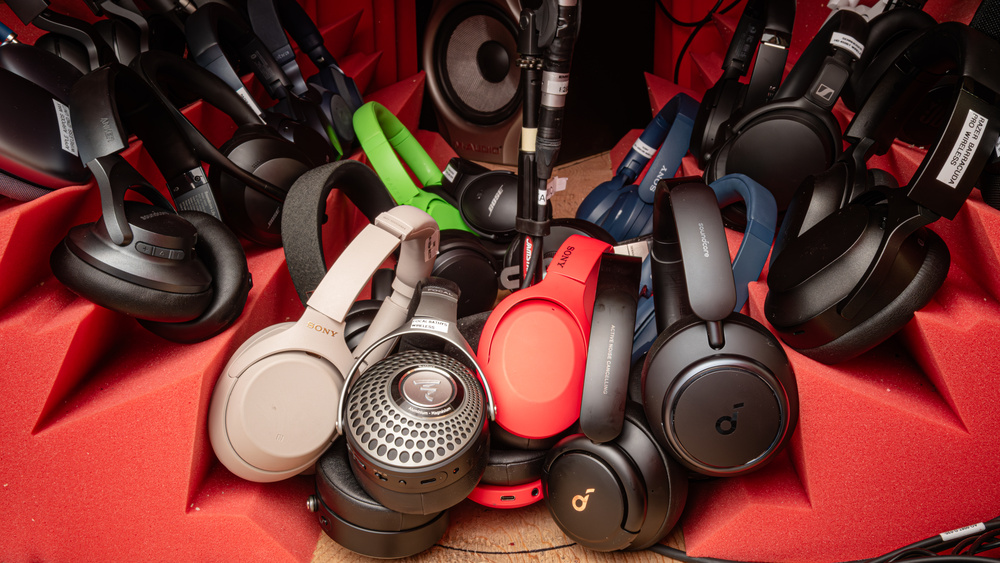
In 2026, noise cancelling headphones are now one of the most essential everyday accessories. Whether you commute each day through busy city streets, work in a loud office, travel frequently, or simply listen to music and don’t want distractions, they are essential. In recent years, active noise cancelling technology has improved significantly, as well as battery life and wireless connectivity. This means the listening experience is much better than it has ever been before. However, the huge amount of options available can often create confusion for new buyers when selecting a set of noise cancelling headphones.
This noise cancelling headphone buying guide will assist you in making an informed decision based on what will work best for your needs and budget.
Table of Contents
How Noise Cancelling Technology Works
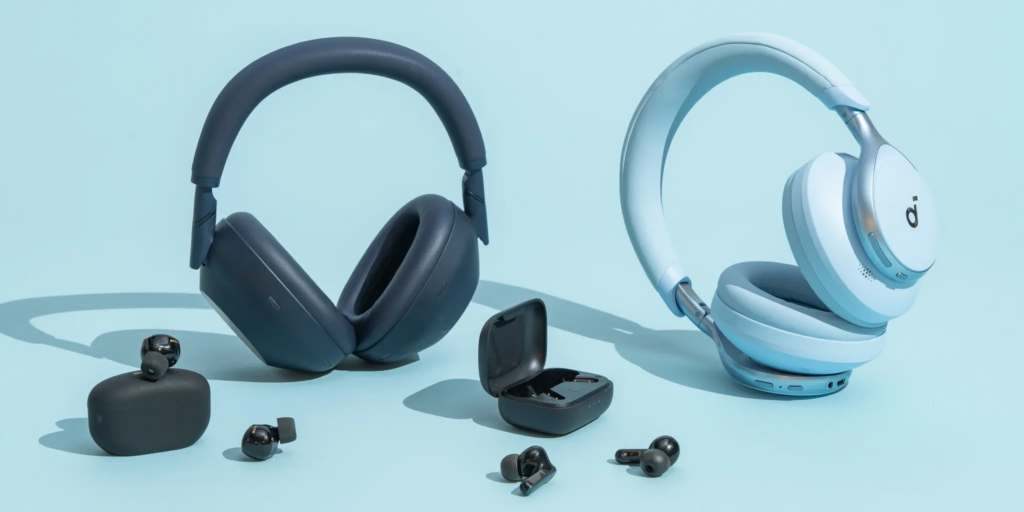
Noise cancelling headphones use Active Noise Cancellation (ANC) technology to block out unwanted background noises. They have small microphones inside them that continuously pick up external sounds, such as traffic, engine noise or noise created by a crowd. Once the headphones hear these incoming sounds, the headphones will create a sound wave that is the opposite of the incoming sound and then cancel it out, before it reaches your ear. This all happens in real time and works very well with continuous low frequency sounds.
Most headphones also have passive noise isolation, which comes from the way they are physically designed, such as padding semi-hard ear cups or using ear tips that fit snugly within the ear. Because both active noise cancellation and passive noise isolation work together, you can enjoy listening to music, making calls or listening to podcasts at lower volumes; this improves the clarity of what you are listening to and creates a much quieter listening environment.
Types of Noise Cancelling Headphones
The different types of noise cancelling headphones have reir unique advanatges and disadvantgaes. So, it is imortant to slecet based on your intneted need. There are three most common types and they include:
Over-Ear Headphones
Earphones are typically used for noise cancellation because they cover your entire ear and create an excellent sound barrier for both passive and active noise cancelling technologies. The larger ear parts allow for a more significant amount of power and larger speaker units which produce richer sounds and block much of the low frequency sounds that could occur, such as the sound of an airplane engine or bus rumble, etc.
If comfort, sound quality and long-term listening experiences are your priorities; then ear phones are ideal if you travel frequently or spend your work time around a lot of noise.
In-Ear (True Wireless) Earbuds
Wireless earbuds with active noise cancelling features fit into the ear canal and are designed to be more portable than earphones. This is because typically smaller than earphones. Due to their size limitation, they are sometimes not as powerful as over-ear headphones. However, true wireless earbuds provide a great level of noise cancellation for the day-to-day background noise of typical everyday sounds.
Therefore, true wireless earbuds are an excellent choice for commuters, gym goers, or anyone looking to have convenience and mobility.
On-Ear Headphones
The on-ear noise-cancelling headset allows you to wear them on top of your head as opposed to over it like other headsets. They are typically lighter and more compact than over-the-head models. However they do not completely cover your entire ear which means they will not provide as much passive noise isolation or slightly less effective active noise cancellation performance.
If you want a combination of better noise-cancellation than earbuds and some comfort while being able to travel with a smaller, more portable device than traditional over-the-head sets, on-ear models would provide you with a good compromise between size & durability vs. comfort & performance.
Key Features to Consider Before Buying
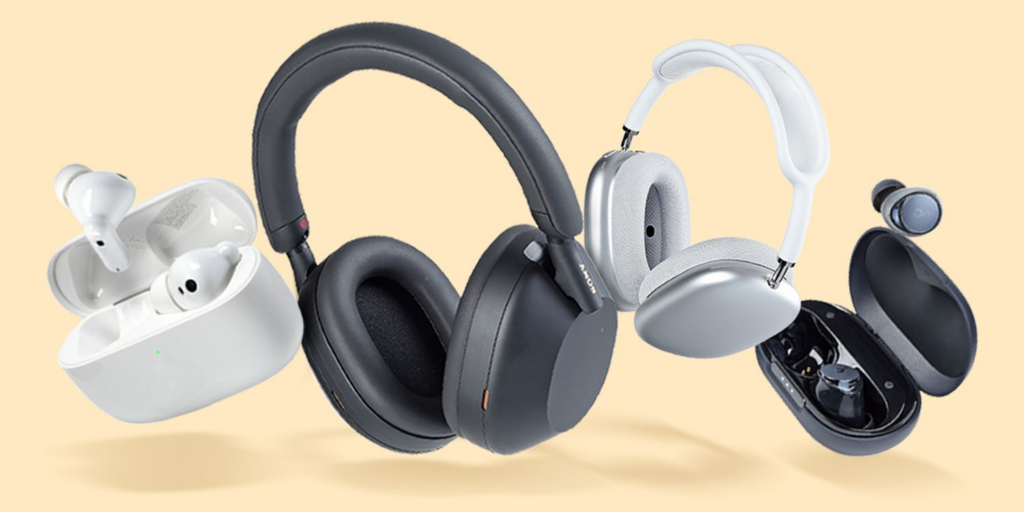
There are several features you need to know before buying a noise cancelling headphone in 2026. Some of which include:
Noise Cancellation Performance
Noise cancelling systems have different levels of effectiveness therefore active noise cancelling (ANC) depends upon the model/brand. A good active noise cancelling technology works by eliminating constant and low frequency noises like aircraft engine, bus and air conditioner hums. Some upgrades will also feature adaptive active noise cancelling (Adaptive ANC), which changes the amount of cancellation based upon your location.
When assessing headphones, search for reviews that give real world performance, not just marketing statements about the headphones.
Battery Life and Charging
The battery life on noise cancelling headphones depend on whether you keep the ANC feature switched on or off. Manufacturers will state the best case scenario for maximum battery usage (typically when using ANC system off). However, but when you actually use the headphones, it would be much less battery life than that stated by the manufacturer.
In general, good noise cancelling headphones should provide 20-30 hours of battery life while using ANC. Convenient charging features, such as Fast Charge and USB-C support, provides convenience for day-to-day use.
Sound Quality
Noise cancellation is useful only when coupled with great sound quality. Look for a predominately balanced profile with clear high frequencies, ample midrange response, and controlled bass. Also, having support for advanced wireless codec options like aptX, AAC or LDAC will improve your wireless listening experience on supported devices. A few models provide you with an app for equalization to fit your listening preferences.
Comfort and Fit
Comfort is important because most people will be wearing headphones for a long period. The more comfortable, soft ear pads made from memory foam and with the flexibility for adjustment on the headband, the more comfortable they will be for hours at a time.
For in-ear styles, having a secure fit along with a range of sizes of ear tips will help create a proper seal. This helps to achieve passive noise isolation, which further enhances the efficiency of the noise cancelling feature.
Connectivity and Extras
Modern noise-cancelling headphones have more features than just noise cancellation and sound quality. Many include Bluetooth 5.0 to ensure your wireless connection is stable and multipoint, so you can connect to more than one device at the same time. Features like transparency mode and ambient mode also allow you to hear sounds around you while wearing your headphones. This makes it easier when walking in crowded areas or speaking with someone.
Other bonus features may include built-in voice assistance and easy-to-use touch controls on the headphones.
Noise Cancelling Headphones for Different Needs
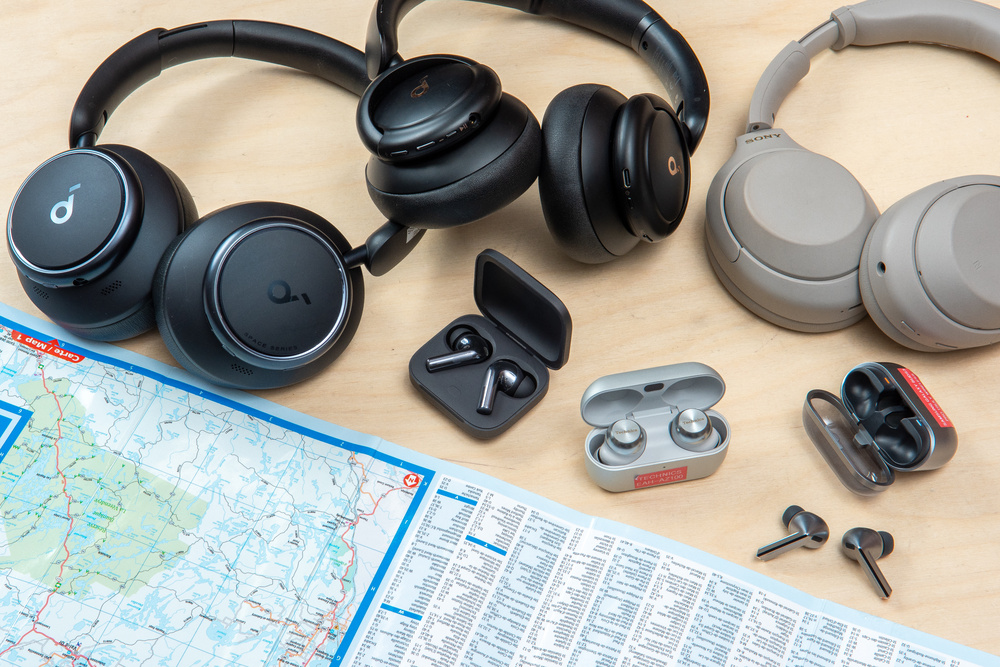
The plan of use also affects noise cancelling headphones buying guide. Here are a few needs and the most suitable headphones:
Commuting & Travel
If you often travel or use public transportation, the most important features are good active noise cancelling technology and long battery life. The best choice for blocking out engine noise and conversation noise on a bus, train, or airplane are over-ear style headphones that have adaptive active noise cancellation (ANC).
Look for padded ear cups so they’re comfortable to wear, foldable, and lightweight, so they’ll fit in your carry-on luggage. Also, look for headphones which have reliable Bluetooth connectivity and a good companion app to help ease your travel experience.
Office & Work Environments
Comfort and situational awareness can be just as important as noise cancelling features in an office type environment. Some styles of headphones can provide noise reduction but still allow you to hear the sounds of conversation and announcements in the workplace. Wireless ANC headphones that have multipoint pairing capability will allow you to switch between your laptop and mobile phone easily while you’re working, and also will make it easier for you to communicate with others during conference calls.
Audiophiles and Music Lovers
To get high-end quality audio products, look for a model that supports high resolution audio and has a balanced frequency response. A high-end noise cancelling headphone will typically have higher-end drivers, support for Bluetooth codecs such as LDAC or aptX and some allow you to adjust the EQ setting using a companion app. This provides greater detail and depth to music without distortion.
So, these product types are good choices for active listening or long periods of listening to music.
Active Lifestyles
When choosing a type of headphones for use while exercising or participating in outdoor events, comfort and stability should be the primary focus. True wireless earbuds with fit or secure silicone wing tips can allow you to have the perfect fit without falling out when you are in motion. Also, the sweat and water resistance ratings of these products assure that they will withstand considerable wear over time.
Several firms producing headphones designed specifically for active lifestyles also include quick charge technology, allowing you to keep using your headphones during your short breaks from working out or playing.
Budget Breakdown: What You Get at Different Price Points
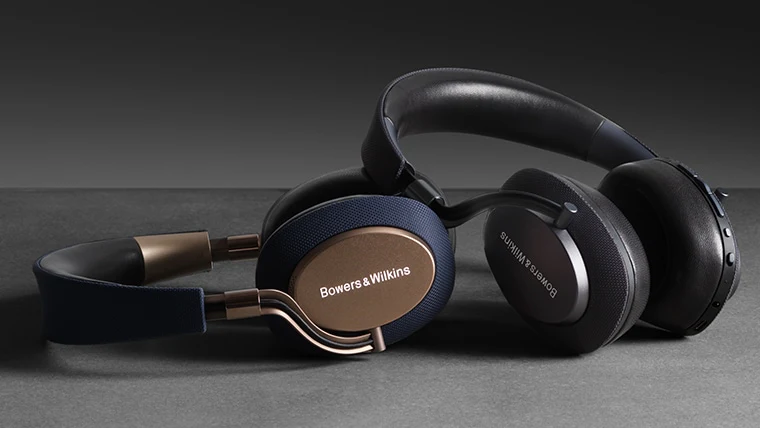
Noise cancelling headphones come in different prices and knowing the different prices will guide you in selecting the most suitable headphones based on your budget. Here is a breakdown of common price ranges and the features included at each level:
Budget Range (Under $100 / Entry-Level)
This category contains basic noise cancelling headsets equipped with standard ANC technology. It is suitable for use by occasional commuters or recreational listeners desiring some background noise reduction without incurring a high cost. Generally, these headsets will provide decent battery power and use Bluetooth technology. However, they are constructed using less expensive materials, have only a basic level of ANC performance, and do not provide high sound quality.
If cost is your most significant goal and you will only use them occasionally, then this is the best choice.
Mid-Range ($100–$300 / Balanced Performance)
Mid-range noise cancelling headsets provide an excellent balance between cost and performance. This makes it a great buy for many users. These headsets offer improved ANC technology capable of blocking out a greater range of ambient sound. They have more reliable connectivity over Bluetooth, and greater comfort during extended periods of time.
Sound quality is also generally improved over entry-level models, providing more detailed audio profiles and supporting common Bluetooth codecs such as AAC and aptX.
Premium Range ($300 and Above / High-End Features)
Premium headphones offer the latest in noise cancelation technology, as well as high-quality sound performance and a well-constructed product. Adaptive ANC adjusts to the surroundings, supportting high-resolution audio codecs like LDAC, and a warmer/louder sound. They have comfortable memory foam ear pads, long-lasting batteries, and high-quality materials with premium headphones.
Some premium models may have multipoint connection capabilities, touch controls, and excellent call quality. If you’re an audiophile, a frequent traveler, or just want to enjoy premium audio, these are the ideal headphones for you.
Final Checklist Before Making Your Purchase
Before making you purchase, here is a list of things to check:
- Determine Your Primary Use: Consider whether the headphones will mainly be used for travelling, working at the office, commuting to work, or listening to music. This will determine the style and level of comfort you want, as well as how much ANC you may need.
- Check for Noise Cancellation Performance: It is important to know how effective your ANC will be against everyday situations like traffic noise and low-frequency sounds such as an air conditioner or engines. You can get this information by performing a controlled test or looking online for research
- Look Out for Battery Life: Batteries have a much longer life when used with ANC on, so it’s best to look for a pair that will last a long time so that you can use them over many trips or stay on for extended periods.
- Check for Fit and Comfort: Some types of headphones can be pressing against your head if they don’t have a comfortable fit. Adjustable headbands or padded earpieces can greatly improve the amount of time you can use them.
- Ensure Good Sound Quality: The headphones should provide good-sounding, balanced audio with good treble, midrange, and bass sounds. Also, if you want great sound out of your headphones, make sure they are compatible with high-quality codecs.
- Check the Durability of the Headphones and Their Warranty: Headphones made of strong materials usually come with a good warranty so you can travel with them and not have to worry about damaging them.
Common Mistakes to Avoid When Buying
Here are the common mistakes to avoid when buying a noise cancelling headphone:
- Selecting a product simply based on its brand or advertisement
- Not taking into account how effectively the product will block out environmental sounds
- Not considering comfortablility and fit when you are listening for long periods of time
- Not looking up how well the product will perform, with regard to battery life, while in noise cancelling mode
- Purchasing features that are too advanced for your intended use
- Failing to check bluetoth support and device compatibility
- Assuming that each noise-cancelling headphone will work equally well in all settings
Conclusion
Buying the best noise cancelling headphones isn’t only about the brand, but finding a pair of headphones that fits in with your activity level. Whether your occupation requires travelling, working in a noisy or rowdy environment, or you want to listen to music without outside distractions, the right pair of headphones will help you achieve these goals. This guide has provided tips to help you select the best and perfect headphones for all your needs.
NewNewsTrend, provides experts’ reviews, side-by-side comparisons on product specifications, and buying guides to assist you in making the right decision on what to purchase. Check us out today for more tips and guide.
FAQs
Do noise-cancelling Headphones Drain Battery Fast?
While Active Noise Cancellation (ANC) consumes some additional battery power, most recent technology allows these products to function at least between 20 hours to 30 hours. Furthermore, if you disable ANC functionality when it isn’t needed, the battery will last longer.
Are In-Ear Headphones Better Than Over-the-Ear ANC Headphones?
The comparison between in-ear and over-ear headphones for comfort and effective noise cancellation leads to the conclusion that in-ear headphones are easier to travel with. However, value is the key distinction. It depends on individual preference and lifestyle.
Do Noise-Cancelling Headphones Work Well in All Environment?
They are most effective against constant and low-frequency sounds, such as large mechanical devices (cars, appliances) or HVAC units. They will not effectively cancel high-frequency and sudden sounds (such as gunfire and glass breaking).